
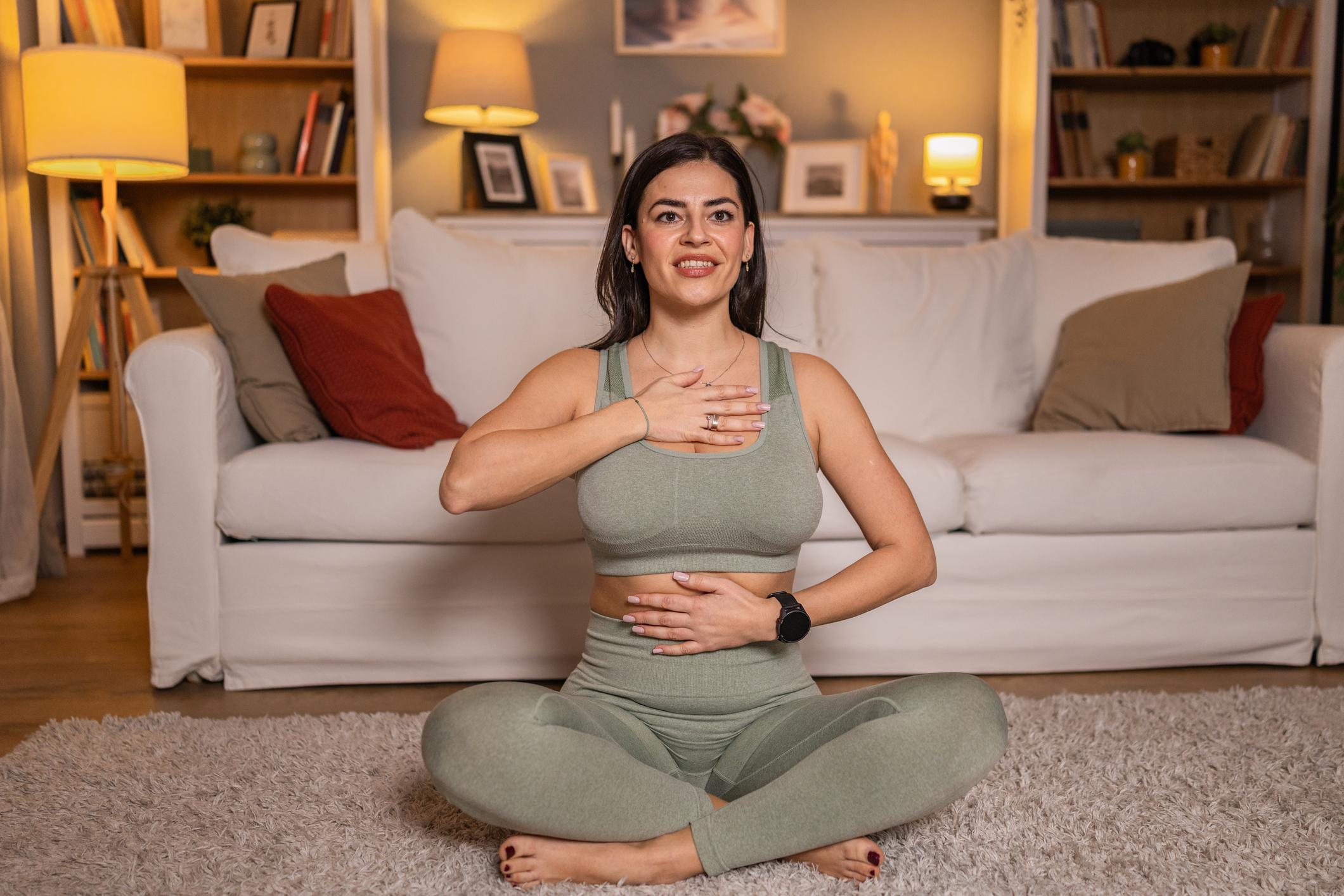

Stress can affect both mental clarity and physical health within minutes. Fortunately, certain simple exercises can calm the nervous system quickly and restore emotional balance without requiring special equipment or long workout sessions. These short movement routines work by lowering cortisol levels, improving circulation, and activating relaxation responses in the body.
Practicing even a few minutes of targeted movement each day can help you feel calmer, more focused, and physically relaxed. 🌿
How Exercise Helps Reduce Stress Quickly
Physical activity influences the body’s stress response through several biological mechanisms.
Short exercise sessions can:
- Release endorphins, the body’s natural mood enhancers
- Reduce muscle tension
- Improve breathing patterns
- Stabilize heart rate
- Increase oxygen delivery to the brain
- Activate the parasympathetic nervous system
These effects help shift the body from a stress state to a relaxed state faster than many passive relaxation techniques.
Deep Breathing with Arm Movement
Combining breathing with gentle arm motion improves oxygen flow and relaxes tight upper-body muscles.
How to practice:
- Stand upright with feet shoulder-width apart
- Raise arms slowly while inhaling deeply
- Lower arms while exhaling slowly
- Repeat for 1–2 minutes
This exercise helps calm racing thoughts and reduces shoulder tension.
Neck and Shoulder Release Stretches
Stress often accumulates in the neck and shoulders, leading to stiffness and headaches.
Try this quick routine:
- Tilt your head gently to each side
- Roll shoulders backward slowly
- Hold each stretch for 10 seconds
- Repeat 5–6 times
These movements help release stored tension and improve blood circulation to the upper spine.
Forward Fold Stretch
This simple stretch relaxes the back muscles and improves circulation to the brain.
Steps to follow:
- Stand upright
- Slowly bend forward from the hips
- Let arms hang naturally
- Hold for 20–30 seconds
This posture encourages relaxation and may quickly reduce feelings of overwhelm.
Child’s Pose
Child’s Pose is a calming floor exercise widely used in relaxation routines.
Benefits include:
- Gentle spinal stretch
- Reduced lower-back tension
- Slower breathing rhythm
- Improved mental calmness
Hold the position for 30–60 seconds while breathing slowly. 🧘
Walking for Five Minutes
Short walks are one of the fastest ways to reset the nervous system.
Even a brief walk can:
- Improve mood
- Reduce mental fatigue
- Increase circulation
- Lower stress hormone levels
Walking outdoors may provide additional calming benefits through exposure to natural surroundings.
Standing Side Stretch
This movement opens the rib cage and improves breathing depth.
How to perform:
- Raise one arm overhead
- Lean gently to the opposite side
- Hold for 10 seconds
- Switch sides
Improved breathing capacity helps regulate emotional responses during stressful moments.
Hand and Wrist Relaxation Exercise
Stress can create hidden tension in the hands, especially for people who use computers frequently.
Try this quick technique:
- Extend arms forward
- Rotate wrists slowly in circles
- Stretch fingers wide
- Relax and repeat
This exercise supports circulation and reduces muscle tightness in the forearms.
Simple 5-Minute Stress-Relief Routine
When time is limited, a short routine can still be effective.
Follow this sequence:
- Deep breathing with arm movement (1 minute)
- Neck and shoulder rolls (1 minute)
- Forward fold stretch (1 minute)
- Child’s Pose (1 minute)
- Short walk or side stretch (1 minute)
This quick routine helps reset both mind and body efficiently. 😊
When to Use Quick Stress-Relief Exercises
These exercises are especially helpful during:
- Busy workdays
- Study breaks
- Travel fatigue
- Emotional tension
- Before important meetings
- Difficulty concentrating
Practicing them regularly improves long-term stress resilience.
Tips to Maximize Stress-Relief Benefits
Small adjustments can enhance the effectiveness of these exercises.
Helpful tips include:
- Focus on slow breathing
- Avoid rushing movements
- Practice in a quiet space if possible
- Maintain comfortable posture
- Stay consistent with daily practice
Consistency strengthens the body’s natural relaxation response.
Frequently Asked Questions (FAQs)
1. How quickly can stress-relief exercises start working?
Many people notice reduced tension within a few minutes, especially when breathing techniques are included.
2. Can these exercises be done at the workplace?
Yes. Most of these movements can be performed safely in small office spaces without drawing attention.
3. Are stress-relief exercises helpful before sleep?
Yes. Gentle stretching and breathing exercises can prepare the body for restful sleep.
4. Do these exercises help improve concentration?
Yes. Reduced muscle tension and improved oxygen flow support better mental clarity.
5. Can teenagers benefit from quick stress-reduction exercises?
Yes. Students often experience improved focus and emotional balance after short relaxation routines.
6. Should stress-relief exercises be done daily?
Daily practice strengthens long-term stress management and improves emotional resilience.
7. Are these exercises suitable during travel?
Yes. Most can be performed while standing, sitting, or resting in limited spaces during travel.

Comments are closed.