
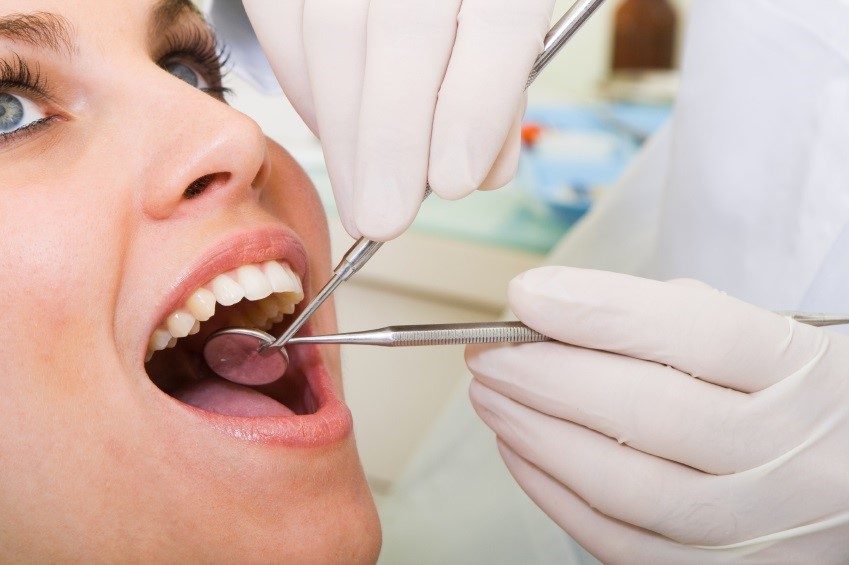

Maintaining good oral health requires more than daily brushing and flossing. Regular dental checkups play a vital role in preventing disease, detecting problems early, and protecting overall health. Many dental conditions develop silently, which means professional evaluation is often the only way to identify them before they worsen.
Routine visits help ensure your teeth, gums, and surrounding tissues stay healthy while reducing the risk of costly and complex treatments later. 🦷
What Happens During a Dental Checkup?
A dental checkup is a preventive care appointment designed to evaluate oral health and stop issues before they become serious.
Typically, a checkup includes:
- Examination of teeth and gums
- Professional cleaning to remove plaque and tartar
- Screening for cavities
- Assessment of bite alignment
- Oral cancer screening
- Review of brushing and flossing habits
These steps help maintain strong teeth and healthy gums over time.
Why Regular Dental Checkups Are Essential
Preventive dental visits are one of the most effective ways to protect long-term oral health.
Early Detection of Dental Problems
Many dental issues begin without noticeable symptoms.
Routine checkups help detect:
- Cavities at early stages
- Gum inflammation
- Enamel wear
- Tooth fractures
- Oral infections
Early treatment prevents complications and reduces discomfort later.
Prevention of Gum Disease
Gum disease often develops gradually and can lead to tooth loss if untreated.
Regular dental visits help:
- Remove hardened plaque (tartar)
- Identify early gum irritation
- Prevent progression to advanced periodontal disease
- Maintain healthy gum support for teeth
Healthy gums are essential for maintaining a stable smile. 😊
Removal of Plaque and Tartar
Even with careful brushing, plaque can accumulate in hard-to-reach areas.
Professional cleaning:
- Removes stubborn tartar deposits
- Reduces bacterial growth
- Prevents cavities
- Improves breath freshness
This cleaning cannot be achieved through home care alone.
Protection Against Tooth Loss
Untreated dental conditions may weaken teeth and surrounding structures.
Routine checkups help preserve teeth by:
- Monitoring structural strength
- Identifiying hidden decay
- Treating infections early
- Supporting gum stability
Preventive care significantly lowers the risk of tooth loss.
Detection of Oral Cancer
Dentists are trained to identify early warning signs of oral cancer during routine examinations.
Early detection improves:
- Treatment success rates
- Recovery outcomes
- Long-term survival chances
Regular screenings are especially important for adults over 40 and individuals with risk factors.
The Link Between Oral Health and Overall Health
Oral health is closely connected to general health.
Poor dental hygiene may contribute to:
- Heart disease risks
- Diabetes complications
- Respiratory infections
- Pregnancy-related concerns
Routine dental visits help reduce inflammation and bacterial spread that may affect other parts of the body. ❤️
How Often Should You Visit the Dentist?
Most people benefit from visiting the dentist every six months.
However, some individuals may need more frequent visits, including those with:
- Gum disease history
- Diabetes
- Smoking habits
- Orthodontic appliances
- Frequent cavities
Dentists recommend schedules based on individual needs.
Benefits for Children and Teenagers
Early dental care helps children develop lifelong healthy habits.
Regular checkups support:
- Proper jaw development
- Early cavity prevention
- Monitoring of permanent teeth eruption
- Habit correction such as thumb sucking
Preventive care during childhood reduces future dental complications.
Benefits for Adults and Seniors
Dental needs change with age.
Routine checkups help adults and older individuals:
- Detect gum recession
- Monitor enamel wear
- Manage dry mouth conditions
- Maintain stability of crowns or dentures
Consistent monitoring keeps smiles healthy at every stage of life.
Warning Signs That Indicate You Should Not Delay a Dental Visit
Even between scheduled checkups, certain symptoms require immediate attention.
Watch for:
- Persistent tooth sensitivity
- Bleeding gums
- Bad breath that does not improve
- Jaw discomfort
- Loose teeth
- Mouth sores that do not heal
Prompt evaluation prevents further complications.
Tips to Maintain Oral Health Between Checkups
Daily habits play a major role in maintaining dental wellness.
Follow these simple practices:
- Brush twice daily with fluoride toothpaste
- Floss once daily
- Limit sugary snacks 🍬
- Drink plenty of water
- Replace toothbrush every three months
- Avoid tobacco products
These habits support the benefits gained from professional dental care.
Frequently Asked Questions (FAQs)
1. Can dental checkups help prevent bad breath?
Yes. Professional cleaning removes bacteria buildup that often causes persistent bad breath.
2. Are dental X-rays necessary during routine visits?
Dentists may recommend X-rays when needed to detect hidden decay, bone loss, or impacted teeth not visible during visual exams.
3. Do dental checkups improve confidence?
Yes. Clean and healthy teeth contribute to a brighter smile and improved self-confidence in social situations.
4. Is it normal for gums to bleed slightly during brushing?
Occasional bleeding may indicate early gum irritation and should be evaluated during a dental visit.
5. Can stress affect dental health?
Yes. Stress can lead to teeth grinding, jaw tension, and reduced immune response in gum tissues.
6. Are professional cleanings safe for sensitive teeth?
Yes. Dentists adjust techniques and tools to ensure comfort while cleaning sensitive areas.
7. What should you do before your dental appointment?
Brush and floss beforehand, carry your medical history details, and inform your dentist about any recent symptoms or medications.

Comments are closed.