
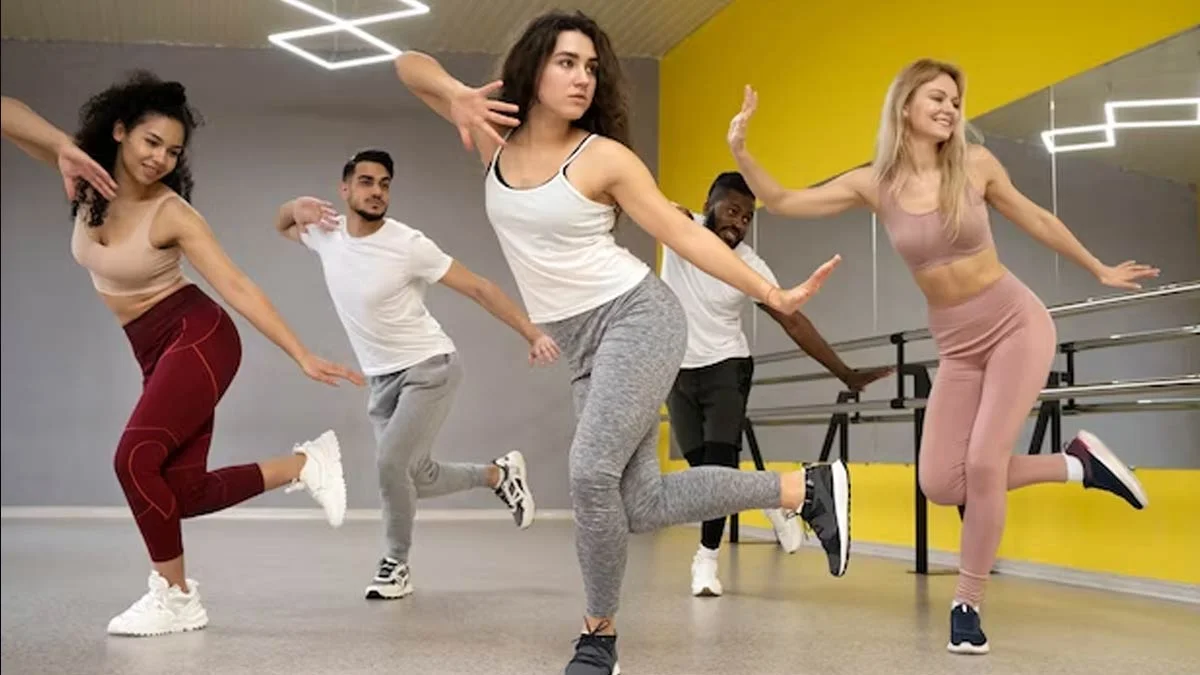

Mental health has finally started to receive the attention it deserves in Singapore. The annual National Population Health Survey, along with the growing waitlists at public mental health clinics, paints a clear picture: anxiety, depression, burnout, and social isolation are significant and rising concerns across all age groups in Singapore. What is perhaps less discussed is the powerful role that group physical activity, particularly something as joyful and social as Zumba, can play in addressing these challenges.
Discovering zumba classes singapore might just be one of the most effective mental health decisions a Singaporean can make. Not because it replaces therapy or medical treatment, but because it addresses several psychological needs simultaneously in a way that very few other activities can.
The Mental Health Landscape in Singapore
Singapore’s National Mental Health Survey found that one in seven Singaporeans has experienced a mental health condition in their lifetime. Anxiety disorders are the most common, followed by major depressive disorder. Among younger Singaporeans, the numbers are even more concerning, with a 2022 survey by the Institute of Mental Health finding that young adults aged 18 to 34 reported the highest levels of psychological distress.
The causes are multiple and well-documented: academic pressure from a young age, a highly competitive job market, high cost of living and housing stress, long working hours, limited social support systems particularly for those who have moved to Singapore for work, and the lingering psychological effects of the COVID-19 pandemic, which disrupted social connections for years.
Physical exercise is increasingly being recognised by psychiatrists and psychologists as a first-line or complementary intervention for mild to moderate anxiety and depression. The research base is substantial. What makes Zumba particularly interesting from a mental health perspective is not just that it is exercise, but the specific type of experience it creates.
The Neuroscience of Dancing for Mental Health
When you dance, something remarkable happens in the brain. The combination of rhythm, music, physical movement, and social engagement activates multiple neural networks simultaneously in a way that almost no other activity does. This multi-system activation is what makes dance uniquely powerful as a mental health tool.
Music and the Limbic System
Music directly activates the limbic system, which is the brain’s emotional processing centre. Upbeat, rhythmic music, the kind that defines every Zumba class, stimulates the release of dopamine through the nucleus accumbens, the brain’s reward hub. This is the same neural pathway activated by experiences of joy, love, and achievement. It is also the pathway that is blunted in depression.
For people struggling with low mood, the ability to access this dopamine pathway through music and movement, without substances or screens, is genuinely valuable. The immediate mood-lifting effect of a Zumba class is not imagined or placebo. It is neurologically real.
Rhythm Synchronisation and Anxiety Reduction
There is compelling research on the effect of rhythmic movement on the nervous system’s stress response. When the body moves in synchrony with an external rhythm (music), it engages the cerebellum and basal ganglia in a pattern of predictable, orderly neural firing. This rhythm entrainment has a measurable calming effect on the amygdala, the brain’s alarm centre, which is chronically overactive in people with anxiety.
This is why rhythmic activities like walking, drumming, and dancing have been used therapeutically across cultures for thousands of years. Zumba formalises this ancient human instinct into a structured, accessible class format.
Social Connection: Addressing Singapore’s Hidden Loneliness
Singapore is a paradox when it comes to social connection. It is one of the most densely populated cities in the world, yet loneliness is a growing public health concern. A 2021 survey by the Lien Foundation found that Singapore ranked among the lonelier developed nations when respondents were asked about meaningful social connections and feelings of belonging.
The reasons are varied. Many Singaporeans live in vertical communities (HDB flats) where interaction with neighbours is minimal. Workplaces are competitive environments where vulnerability and authentic connection are rarely encouraged. Social media interaction has replaced, for many, the spontaneous face-to-face socialising that builds genuine community.
Zumba classes address social isolation in a uniquely powerful way. Unlike the gym, where earphones signal “do not disturb” and eye contact is minimal, Zumba classes are inherently communal. You are moving together, laughing together, struggling with the same steps together, and sharing music that transcends language. This shared experience creates bonds surprisingly quickly.
The Belonging Effect
Research in social psychology shows that the feeling of “moving in synchrony with others,” what psychologists call “behavioural synchrony,” produces a rapid and strong sense of belonging and trust. When you and thirty other people are all doing the same merengue step at the same time, your brain registers a sense of tribal connection. This is evolutionarily hardwired and deeply satisfying.
For expats in Singapore who may not have established social networks, for retirees who miss the social structure of working life, and for anyone who simply feels isolated in the city, a regular Zumba class can become a genuine community anchor.
Body Image and Self-Esteem
Singapore’s cultural relationship with body image is complicated. The city is aesthetically conscious, and social pressure around appearance is real and pervasive. This can create significant psychological distress, particularly for women who feel their bodies do not conform to dominant beauty ideals.
Zumba offers something unusual in the fitness world: a space where the goal is joy and movement rather than aesthetic transformation. Good Zumba instructors create an environment that celebrates participation over performance, energy over appearance, and laughter over perfect technique. This atmosphere can be genuinely healing for people who carry shame or self-consciousness about their bodies.
Over time, regular Zumba practice builds a different relationship with the body. Rather than seeing it as something to be fixed or punished, participants begin to experience their bodies as capable, strong, and a source of pleasure. This shift in body perception is one of the most meaningful mental health outcomes of regular dance fitness.
Zumba as a Mindfulness Practice
This might sound surprising, but Zumba functions as an effective form of moving mindfulness. When you are in a Zumba class, you literally cannot ruminate on your problems. The music demands your attention. The choreography requires your focus. The pace keeps you entirely in the present moment. If your mind wanders, you miss a step change and have to snap back into the room.
This enforced presence is genuinely valuable for people whose minds are chronically busy, which, in Singapore’s high-achieving culture, describes most people. The ability to spend 45 minutes entirely in the present, without a single thought about work deadlines or family obligations, is restorative in a way that is difficult to achieve through other means.
True Fitness Singapore instructors are trained to create class environments that feel welcoming and non-judgmental, which is crucial for enabling this kind of psychological release.
Structured Routine and Mental Stability
For anyone managing anxiety or depression, structure and routine are powerful stabilisers. Knowing that every Tuesday and Thursday at 7pm you have a Zumba class provides an anchor to the week. It gives you something to look forward to, a reason to leave the house, a commitment that gets you moving even on days when motivation is low.
This structured routine also supports better sleep, which is both a cause and a consequence of poor mental health. Regular aerobic exercise at the right time of day (morning or early evening works best for most people) helps regulate the circadian rhythm and improves sleep quality, which in turn improves emotional regulation and resilience.
FAQ
Q. Can Zumba help with clinical depression, or is it only for mild mood issues? A. Research supports aerobic exercise as a meaningful complementary intervention for mild to moderate clinical depression, with some studies showing effectiveness comparable to antidepressant medication for this severity range. For severe depression, exercise should be part of a broader treatment plan that includes professional support. Always consult a mental health professional if you are experiencing clinical depression.
Q. I have social anxiety and find group settings very uncomfortable. Should I still try Zumba? A. Yes, but start gently. Choose a class where you can position yourself at the back or side so you feel less exposed. Most Zumba classes have a culture of laughter and imperfection that is actively welcoming to beginners. Many people with social anxiety find that the structured, music-driven nature of the class actually reduces anxiety because there is a clear thing to focus on rather than open-ended social pressure.
Q. How is Zumba different from seeing a therapist for mental health? A. They serve very different and complementary functions. Therapy helps you understand and process the roots of psychological distress. Zumba provides immediate neurochemical relief, social connection, and a consistent healthy habit. Ideally, both would be part of a comprehensive approach to mental wellness. Zumba is not a substitute for professional mental health care.
Q. Can Zumba help with post-partum mood changes? A. Moderate exercise is widely recommended as a supportive measure for post-partum mood difficulties, with approval from your doctor or obstetrician. Zumba’s combination of social interaction, music, and physical activity makes it particularly suitable. Ensure you have medical clearance before returning to exercise after childbirth.
Q. What if I feel self-conscious about my dancing and find the class more stressful than relaxing at first? A. This is completely normal for the first few sessions. The self-consciousness usually fades significantly by the third or fourth class as you become more familiar with the movements and more comfortable with the environment. Give yourself at least four to six classes before making a judgment. Most people find the transition from awkward to joyful happens quite quickly.
Q. Is there an ideal time of day to attend Zumba for mental health benefits? A. Morning classes tend to set a positive emotional tone for the entire day and help regulate cortisol from early on. Evening classes are excellent for releasing accumulated stress from the work day. Both have value. The most important factor is choosing a time you can attend consistently rather than optimising for a particular time slot.

Comments are closed.