
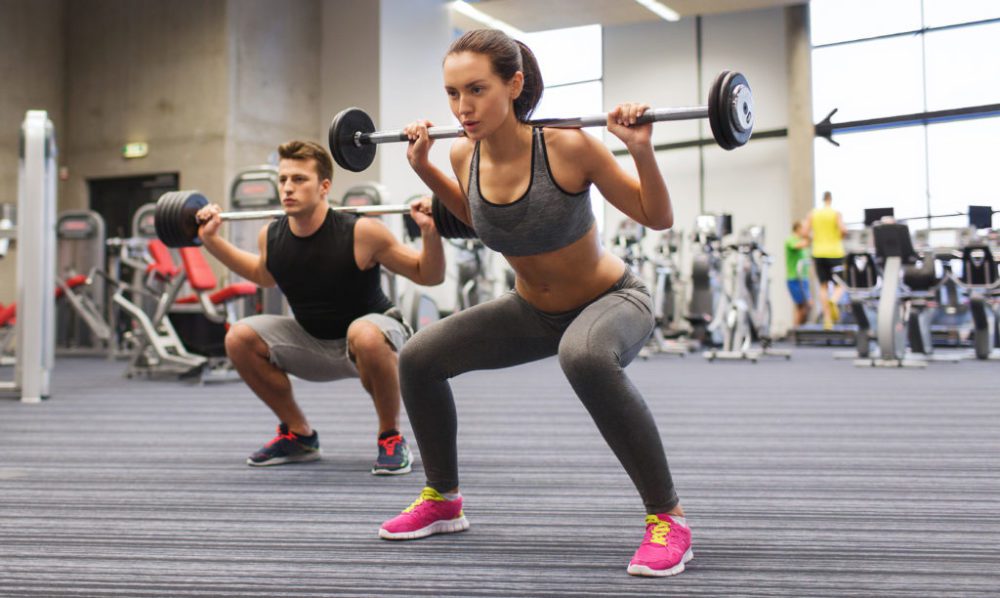

Padel, running and strength training place very different demands on the body. Padel involves rapid changes of direction and rotation, running uses repeated forward movement, and strength training applies high resistance through planned exercises.
Well-selected yoga classes Singapore can complement these activities by adding controlled mobility, balance and movement variety. The benefit depends on choosing a class that fills a genuine gap without repeating fatigue already created by the primary sport.
Start with the Main Activity
A person should identify which activity has priority before adding yoga. A runner preparing for an event needs to protect long runs and faster sessions. A strength trainee may prioritise heavy lifts, while a padel player needs enough freshness for matches.
Yoga should then be assigned a supporting role. It might develop balance, provide lower-intensity movement or introduce ranges missing from the main activity.
Without a clear priority, every session can become equally demanding, making recovery difficult to manage.
Padel Creates Rotational and Deceleration Demands
Padel requires quick reactions, lateral movement and repeated rotation. Players also need to slow down and reorganise their position within a small court.
Yoga can contribute through single-leg balance, deliberate transitions and controlled trunk movement. The objective is not to create the deepest possible twist.
Useful practice teaches the player to rotate without losing control of the pelvis, ribs or supporting foot. These qualities can complement sport-specific coaching but do not replace it.
Shoulder Fatigue Matters for Padel Players
Racquet sports involve repeated arm use. The forearms, shoulders and upper back may feel tired after a long match or several sessions.
A yoga class containing many planks, downward-facing positions or arm balances can repeat this demand. Placing it immediately after padel may create more fatigue than expected.
A lower-load Hatha, mobility or restorative session may fit better until the upper body recovers.
Running Uses a Repeated Movement Pattern
Running repeatedly loads the feet, calves, knees and hips in a predominantly forward direction. Yoga can add balance, rotation and controlled movement through other planes.
However, runners do not automatically need aggressive stretching. Greater passive range is not always useful when the person cannot control it.
Classes that combine mobility with strength can help runners manage movement rather than simply become more flexible.
Place Yoga Carefully Around Long Runs
A demanding standing class before a long run can leave the legs fatigued. The same format immediately afterwards may add more lower-body work when recovery is needed.
A restorative session or gentle mobility class may fit better after the long run. An active yoga class can be placed on a separate day when the legs are fresher.
The effect should be judged by how the next run feels, not only by whether the yoga session was enjoyable.
Strength Training Already Creates High Load
Heavy resistance training develops force but also creates fatigue. Yoga does not always need to become another strength workout.
Planks, long lunges and isometric holds can still challenge trained lifters. These movements should be counted as workload rather than dismissed because no weights are used.
A strength athlete may choose yoga for controlled range, breathing and balance while reducing unnecessary repetition of the gym session.
Avoid Stacking Similar Demands
Activities that look different can stress the same areas. Padel and yoga may both challenge the wrists and shoulders. Running and standing yoga can both fatigue the calves and hips.
The weekly plan should examine overlapping demand rather than exercise names. Consecutive sessions targeting the same regions may reduce movement quality.
Changing the yoga format can preserve attendance without repeating the same physical stress.
Active Mobility Has Greater Transfer
Passive flexibility describes how far someone can move with support or gravity. Active mobility reflects how well that range can be controlled.
Padel players need control during rotation, runners need stability during repeated single-leg support, and lifters need to maintain position under load.
Yoga sequences that combine range with muscular effort may therefore provide more transfer than deep passive stretching alone.
Restorative Practice Can Serve All Three Activities
Recovery-focused yoga can provide lower-intensity movement after matches, long runs or heavy lifting. Its value comes from reducing overall demand.
Practitioners should resist turning every supported pose into an intense stretch. The session should leave enough energy for the next important workout.
Restorative practice is particularly useful during weeks containing several competitions or high training volume.
Heated Yoga Needs Additional Planning
Heated classes increase body temperature and sweating. This can affect hydration and perceived effort.
A hot session before an outdoor run or padel match may complicate recovery. It can work better when the practitioner has time to restore fluid and rest.
Singapore’s tropical climate does not make heated studio conditions irrelevant. The additional environmental demand should still be considered.
Use Yoga to Improve Movement Decisions
One useful benefit of yoga is learning how to adjust effort. Practitioners can choose a smaller range, use a prop or reduce a hold when fatigue changes their control.
This judgement is valuable across sport and strength training. Not every session should be performed at maximum intensity.
Learning to distinguish productive challenge from unnecessary strain supports consistency.
Build a Flexible Microcycle
The traditional, active and restorative classes available through Yoga Edition allow padel players, runners and strength trainees to structure yoga differently. One person may use two moderate classes, while another combines an active session with a restorative one.
The schedule should change as matches, running volume and lifting priorities change. Yoga creates the most value when it responds to the training week instead of being added automatically.
A complementary programme does not ask every activity to do everything. It gives each session a defined role and protects enough recovery for the primary sport to progress.

Comments are closed.