
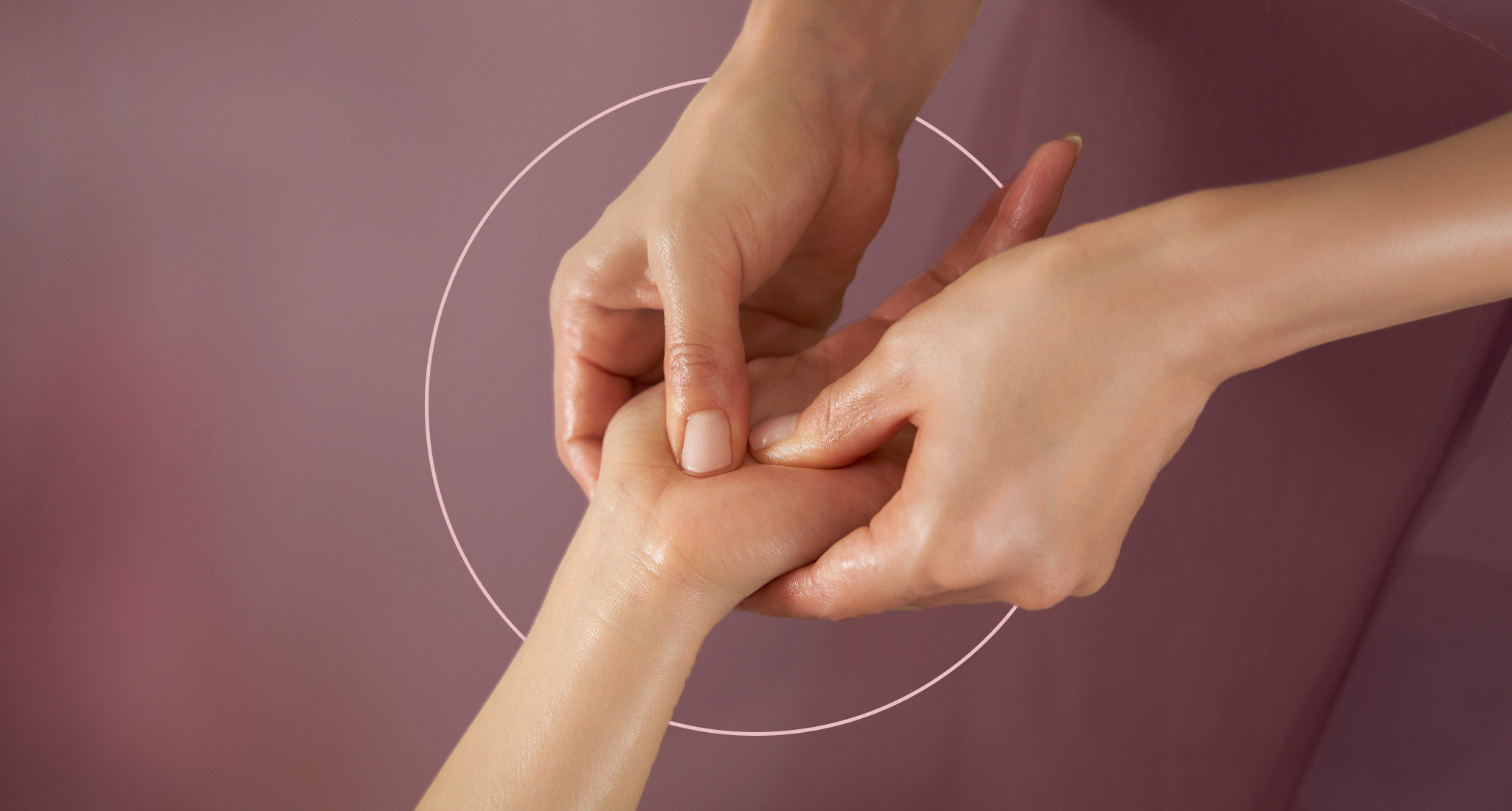

Healthy blood circulation is essential for delivering oxygen, nutrients, and hormones throughout the body. When circulation slows down, people may experience fatigue, cold extremities, muscle stiffness, swelling, or reduced healing capacity. Acupressure offers a simple, natural approach to stimulating circulation by activating specific pressure points connected to vascular and nervous system responses. 🩸
This article explains scientifically supported acupressure points known to support blood flow and how they can be used safely as part of a wellness routine.
How Acupressure Supports Blood Circulation
Acupressure works by applying steady pressure to targeted areas known as acupoints, which interact with nerve endings, connective tissues, and microvascular structures beneath the skin.
When stimulated correctly, these points may:
- Promote vasodilation (widening of blood vessels)
- Activate nerve signaling pathways
- Reduce muscular tension restricting circulation
- Improve lymphatic drainage
- Support oxygen delivery to tissues
Together, these effects help restore smoother blood flow throughout the body.
Signs of Poor Blood Circulation
Recognizing early circulation problems can help prevent long-term complications.
Common symptoms include:
- Cold hands and feet ❄️
- Tingling sensations
- Swelling in ankles or legs
- Muscle cramps
- Fatigue without clear cause
- Slow wound healing
Targeted acupressure may help reduce these symptoms when practiced consistently.
Best Acupressure Points for Improving Blood Circulation
Several acupoints are widely used to stimulate circulation and support vascular health.
LI4 (Hegu Point)
Located between the thumb and index finger, this is one of the most frequently used acupressure points for improving upper-body circulation.
Benefits include:
- Encourages blood flow to the head and face
- Relieves hand stiffness
- Supports circulation in the arms
- Reduces stress-related vascular tension
Apply firm pressure using the opposite thumb for about one minute on each hand.
ST36 (Zusanli Point)
This point sits about four finger-widths below the kneecap along the outer edge of the shin.
It is known for improving whole-body circulation.
Regular stimulation may:
- Increase lower limb blood flow
- Support immune activity
- Reduce fatigue
- Strengthen overall vitality ⚡
Massage in circular motions for 1–2 minutes per leg.
SP6 (Sanyinjiao Point)
Located above the inner ankle, this point connects multiple meridian pathways related to circulation and hormonal balance.
Helpful effects include:
- Supporting pelvic circulation
- Improving leg circulation
- Reducing swelling in feet
- Promoting relaxation of blood vessels
Avoid strong pressure during pregnancy unless guided by a professional.
LV3 (Taichong Point)
Found on the top of the foot between the first and second toes, this point supports smooth blood movement through the lower body.
It may help:
- Relieve foot tension
- Improve circulation in legs
- Reduce stress-related vascular restriction
- Support liver-related blood regulation processes
Apply steady pressure for 60–90 seconds on each foot.
PC6 (Neiguan Point)
Located on the inner forearm about three finger-widths below the wrist crease, PC6 is commonly used to support circulation around the chest and heart region.
Benefits include:
- Supporting cardiovascular circulation
- Reducing chest tightness
- Improving oxygen delivery efficiency
- Helping regulate pulse rhythm ❤️
Press gently with the thumb for about one minute per arm.
BL57 (Chengshan Point)
This point lies at the center of the calf muscle.
It is particularly useful for people experiencing poor circulation in the lower legs.
Regular stimulation may:
- Reduce calf tightness
- Improve venous return
- Ease leg fatigue
- Support mobility in people who sit for long hours
Massage firmly upward along the calf muscle for best results.
Simple Acupressure Routine for Daily Circulation Support
A short daily routine can help maintain consistent circulation benefits.
Follow this sequence:
- Start with LI4 on both hands
- Move to PC6 on both forearms
- Stimulate ST36 on both legs
- Apply pressure to SP6
- Finish with LV3 on both feet
Practice once or twice daily for 8–10 minutes total.
Consistency is more effective than intensity.
Additional Lifestyle Habits That Enhance Circulation
Acupressure works best when combined with circulation-friendly habits.
Support your results by:
- Staying physically active 🚶
- Drinking enough water
- Practicing stretching exercises
- Avoiding prolonged sitting
- Maintaining balanced nutrition
- Managing stress levels
These habits complement pressure-point stimulation and improve long-term vascular health.
Safety Tips Before Practicing Acupressure
Acupressure is generally safe, but proper technique matters.
Keep these precautions in mind:
- Avoid pressing directly on swollen veins
- Do not apply pressure over injuries
- Use gentle pressure if you have diabetes-related nerve sensitivity
- Stop if sharp pain occurs
Consult a healthcare professional if circulation problems are severe or persistent.
Frequently Asked Questions (FAQs)
1. How quickly can acupressure improve blood circulation?
Some people feel warmth or relaxation immediately, while noticeable circulation improvement usually develops after regular practice over several days or weeks.
2. Can acupressure help with cold hands and feet during winter?
Yes. Stimulating circulation-related acupoints may increase warmth in extremities by improving peripheral blood flow.
3. Is acupressure useful for people who sit for long working hours?
Yes. It helps counteract reduced circulation caused by prolonged sitting by stimulating leg and arm blood flow.
4. Can athletes benefit from circulation-focused acupressure points?
Athletes often use these points to support muscle recovery, reduce soreness, and improve oxygen delivery to tissues.
5. Should acupressure be done before or after exercise?
Both times are beneficial. Before exercise it improves blood flow readiness, and afterward it supports recovery.
6. Can acupressure reduce swelling in the legs?
Yes. Certain pressure points encourage lymphatic drainage and venous return, which may help reduce mild swelling.
7. Is it safe to combine acupressure with compression therapy?
In most cases, yes. However, individuals using medical compression garments should consult a professional before starting new circulation therapies.

Comments are closed.