
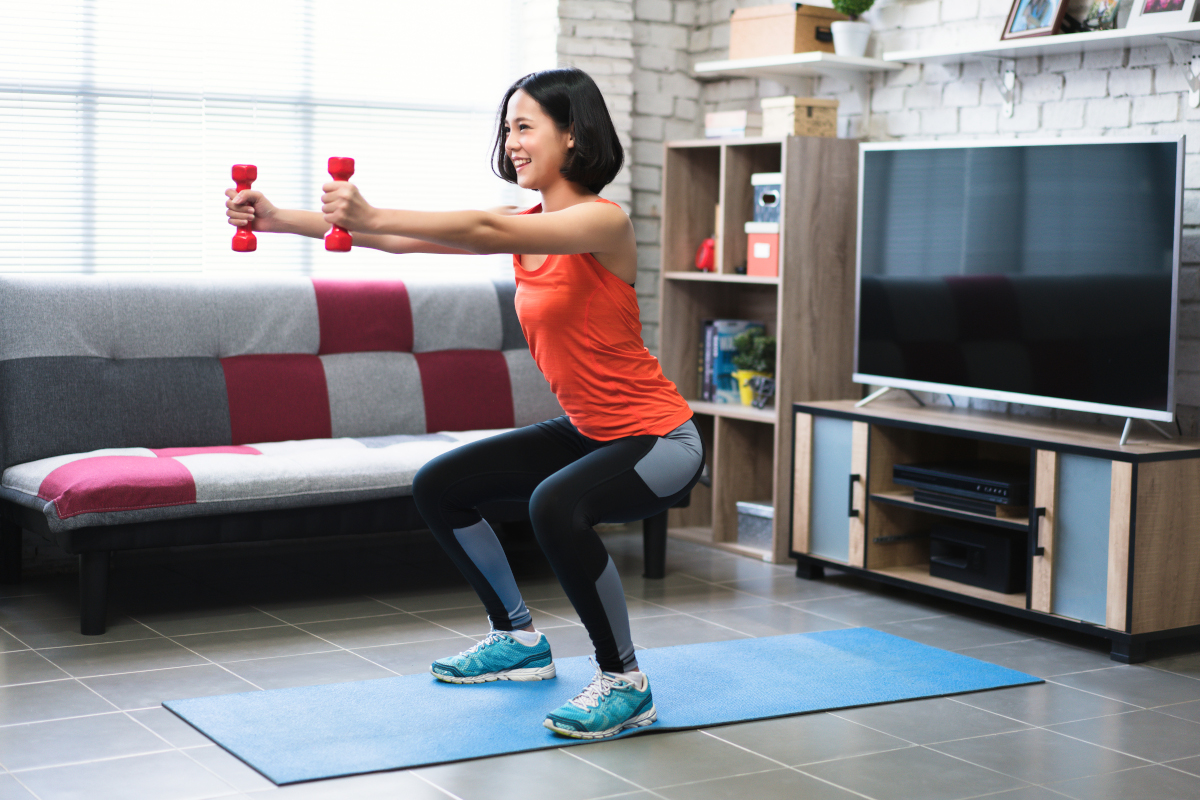

Staying active does not require a gym membership or expensive equipment. Home exercise routines using bodyweight movements can effectively improve strength, flexibility, balance, and cardiovascular fitness. These routines are practical, adaptable, and suitable for beginners as well as experienced individuals.
With consistency and proper technique, equipment-free workouts can support long-term health, boost energy levels, and enhance overall physical performance. 💪
Why Choose Equipment-Free Workouts?
Bodyweight exercises rely on natural movement patterns that activate multiple muscle groups simultaneously. They are easy to perform anywhere and reduce barriers to regular physical activity.
Key advantages include:
- No cost or equipment required
- Suitable for small spaces
- Adjustable intensity levels
- Lower injury risk when performed correctly
- Improved functional strength and coordination
These benefits make home workouts accessible to people of all fitness levels.
Essential Warm-Up Before Starting
A proper warm-up prepares muscles and joints for activity while reducing the risk of strain.
Spend 5–7 minutes performing:
- Arm circles
- Neck rotations
- Hip rotations
- Marching in place
- Light stretching
Warming up improves circulation and increases movement efficiency during exercise.
Full-Body No-Equipment Exercise Routine
This simple routine targets major muscle groups and supports overall fitness.
1. Squats
Squats strengthen the lower body and improve mobility.
Benefits include:
- Stronger thighs and hips
- Improved balance
- Better posture support
- Enhanced joint stability
Perform 12–15 repetitions.
2. Push-Ups
Push-ups are one of the most effective upper-body exercises.
They help develop:
- Chest strength
- Shoulder stability
- Arm endurance
- Core activation
Beginners can perform knee push-ups if needed.
Perform 8–12 repetitions.
3. Plank Hold
The plank is excellent for strengthening core muscles.
It supports:
- Spine stability
- Improved posture
- Reduced back discomfort
- Stronger abdominal muscles
Hold for 20–40 seconds.
4. Lunges
Lunges improve lower-body strength and coordination.
They help:
- Strengthen glutes
- Improve balance
- Enhance leg flexibility
- Support joint movement
Perform 10 repetitions per leg.
5. Glute Bridges
This movement strengthens the hips and lower back.
Benefits include:
- Improved pelvic stability
- Reduced lower-back strain
- Stronger glute muscles
- Better posture alignment
Perform 12–15 repetitions.
6. Mountain Climbers
Mountain climbers provide both strength and cardio benefits.
They help:
- Increase heart rate ❤️
- Improve coordination
- Strengthen the core
- Burn calories efficiently
Perform for 20–30 seconds.
Suggested Beginner Workout Schedule
Consistency matters more than intensity at the start.
Try this weekly routine:
- Day 1: Full-body routine
- Day 2: Light stretching and walking
- Day 3: Full-body routine
- Day 4: Rest or gentle movement
- Day 5: Full-body routine
- Weekend: Active recovery like walking or yoga
This schedule supports gradual progress without overexertion.
How to Increase Workout Intensity Over Time
As strength improves, workouts should become slightly more challenging.
You can increase intensity by:
- Adding more repetitions
- Increasing plank duration
- Performing exercises more slowly
- Adding extra workout rounds
- Reducing rest time between sets
Progressive adjustments help maintain steady fitness improvements.
Benefits of Regular Home Exercise
Practicing equipment-free workouts consistently offers several health advantages.
These include:
- Improved muscle strength
- Better flexibility
- Increased stamina
- Enhanced mood and stress relief 😊
- Improved circulation
- Weight management support
Even short daily sessions can produce noticeable results over time.
Common Mistakes to Avoid During Home Workouts
Maintaining correct technique ensures safety and effectiveness.
Avoid these mistakes:
- Skipping warm-up routines
- Rushing movements
- Holding breath during exercises
- Ignoring posture alignment
- Overtraining without rest days
Mindful movement leads to better long-term outcomes.
Tips for Staying Motivated at Home
Maintaining motivation is often the biggest challenge.
Helpful strategies include:
- Setting realistic goals
- Tracking progress weekly
- Choosing a fixed workout time
- Exercising with family members
- Playing energizing music during sessions
Small habits create lasting consistency.
Frequently Asked Questions (FAQs)
1. How long should a home workout session last?
Most effective sessions range between 20 and 40 minutes depending on fitness level and goals.
2. Can equipment-free workouts help with weight loss?
Yes. When combined with a balanced diet and regular activity, bodyweight exercises support calorie burning and fat reduction.
3. Is it safe to exercise every day at home?
Light to moderate workouts can be done daily, but intense sessions should include rest days for recovery.
4. Do home workouts improve posture?
Yes. Strengthening core and back muscles helps maintain proper posture throughout daily activities.
5. Can older adults follow equipment-free routines?
Yes. Exercises can be modified for comfort and safety while still improving strength and mobility.
6. What is the best time of day to exercise at home?
Morning or evening both work well. The best time is when you can remain consistent.
7. Should stretching be done after workouts?
Yes. Post-workout stretching improves flexibility and helps reduce muscle soreness after exercise.

Comments are closed.