
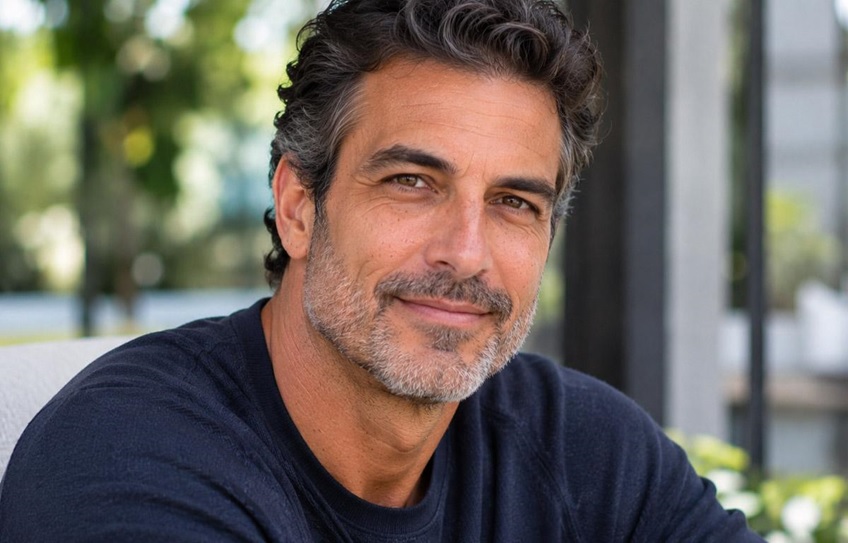

How male eyelid surgery in Newport Beach refreshes tired eyes while keeping your look strong, natural, and unmistakably you.
Eyelid surgery for men, or male blepharoplasty, removes excess skin and fat from the upper or lower lids to reduce hooding and under-eye bags. Done well, it makes you look rested, not surgically altered. The keys are a conservative approach, a lower, flatter eyelid crease that suits male anatomy, and well-hidden incisions. Most men return to desk work within about a week to ten days, with results refining over several months.
You sleep eight hours, and coworkers still ask if you’re exhausted. Your eyes may look heavier than you feel, and perhaps your upper lids now brush your lashes. For many men, this is when they start looking into eyelid surgery. The worry that comes right after is just as common: will I look like I had work done?
It’s a fair concern. Male eyes have a different shape, crease, and brow position than female eyes, and a technique designed for women can feminize a man’s face. At The One Plastic Surgery Center in Newport Beach, board-certified plastic surgeon Dr. Siamak Agha approaches male eyelid surgery with that difference in mind.
This guide covers what male blepharoplasty is, who it’s right for, how surgeons keep results masculine, what recovery looks like, and how to choose the right surgeon.
Why More Men Are Choosing Eyelid Surgery
Eyelid surgery is one of the fastest-growing procedures in the United States. In the 2025 ASPS statistics, blepharoplasty reached nearly 119,000 procedures, up 19 percent from the prior year. Globally, the ISAPS survey found eyelid surgery was the most popular surgical procedure among men, ahead of gynecomastia surgery.
The reasons are practical. The eyes are the first thing people notice in a conversation or on a video call, and heavy lids can make you look tired, stern, or older than you are. Eyelid surgery also tends to have a shorter, more manageable recovery than a facelift, which appeals to busy professionals.
The goal of eyelid surgery for men is simple: look as rested as you actually feel.
What Is Male Blepharoplasty?
Male blepharoplasty is surgery that removes or repositions excess skin, fat, and sometimes muscle around the eyes. It can treat the upper lids, the lower lids, or both. The aim is a fresher, more alert appearance while keeping the natural shape and character of a man’s eyes.
Upper Eyelid Surgery
Upper blepharoplasty addresses hooding, the fold of loose skin that sags over the crease and sometimes onto the lashes. The surgeon removes a measured strip of skin, and occasionally a small amount of fat, through an incision hidden in the natural crease. In some men, severe hooding can block the upper field of vision.
Lower Eyelid Surgery
Lower blepharoplasty treats puffy bags and the hollow groove between the lower lid and cheek. Fat can be removed or repositioned through an incision inside the lower lid (transconjunctival) or just below the lash line. Repositioning fat, rather than removing too much, helps avoid a hollow, sunken look.
Are You a Suitable Candidate for Eyelid Surgery as a Man?
Good candidates for eyelid surgery for men are healthy, don’t smoke or are willing to stop, and are bothered by hooded upper lids, under-eye bags, or a worn-out look. They should have realistic expectations and no untreated eye conditions that would make surgery unsafe.
You may be a candidate if you notice any of the following:
- Loose upper lid skin that hides your crease or touches your lashes
- Persistent under-eye bags that don’t improve with sleep
- A tired or angry look that doesn’t match how you feel
- Difficulty seeing in your upper peripheral vision because of hooding
An eye exam may be recommended before surgery, especially if you have dry eye, glaucoma, thyroid eye disease, or a history of LASIK. Some men who think they need eyelid surgery actually have a low brow, and a brow procedure or a combination may be more appropriate. A careful consultation sorts these issues out.
How Eyelid Surgery for Men Avoids the “Done” Look
The difference between a natural result and an obvious one usually comes down to restraint and anatomy. Men typically have a lower, flatter eyelid crease, a heavier brow that sits closer to the eye, and a bit more fullness in the upper lid. Removing too much skin or fat, or setting the crease too high, can create a hollow or feminine look.
A male-focused approach usually includes:
- Conservative skin removal. A little residual fullness in the upper lid often looks more masculine and youthful than a deeply hollowed lid.
- A lower, natural crease. The incision follows a crease height that suits male anatomy instead of a higher, arched crease.
- Fat preservation or repositioning. Under-eye fat can be shifted into the hollow below the bag to smooth the transition to the cheek.
- Brow awareness. Because a low brow can mimic heavy lids, the surgeon evaluates brow position before deciding how much lid skin to remove.
- Hidden incisions. Upper incisions sit in the crease, and lower lid fat can often be treated from inside the lid with no visible external scar.
The ASPS eyelid surgery overview notes that results can be long-lasting, though aging continues. Upper-lid results may need refreshing in the future, while lower-lid fat repositioning is often longer lasting.
A slightly conservative result almost always looks better on a man than an aggressive one.
Combining Eyelid Surgery With Other Procedures
Some men want to address more than their eyes. Eyelid surgery is often combined with a brow lift, a male facelift, or a neck lift for a more complete refresh. Others pair it with non-surgical options like neuromodulators for crow’s feet or dermal fillers for volume loss elsewhere in the face.
Combining procedures can mean one anesthesia and one recovery period, but it also adds operating time and may extend downtime. Your surgeon can help you decide whether to combine or stage procedures based on your health, goals, and schedule.
Male Blepharoplasty Recovery: What to Expect
Most men return to desk work and social activities about 7 to 14 days after eyelid surgery. Swelling and bruising peak in the first few days, then fade over the next one to two weeks. Strenuous workouts are usually paused for a few weeks, and final results continue to settle over several months.
A typical recovery timeline looks like this:
| Timeframe | What’s typical |
| Days 1 to 3 | Swelling, bruising, and tightness peak; cold compresses and head elevation help |
| Days 5 to 7 | Sutures are often removed; bruising begins fading |
| Week 2 | Many men return to work; mild swelling may remain |
| Weeks 3 to 6 | Gradual return to exercise as cleared by your surgeon |
| Months 3 to 6 | Final contour and scar refinement |
Sunglasses are a good friend in the first couple of weeks, both for comfort and discretion. Plan screen breaks, since dry, tired eyes are common early on. Your surgeon will give you specific aftercare instructions, including when you can wear contact lenses again.
Risks and How to Reduce Them
Like any surgery, eyelid surgery carries risks. These can include temporary dry eye, difficulty fully closing the eyes for a short time, asymmetry, visible scarring, infection, bleeding, and, rarely, changes in lower lid position or vision problems. Overly aggressive skin removal raises the risk of some of these issues.
You can lower your risk by choosing a board-certified plastic surgeon, sharing your full medical and eye history, stopping nicotine as directed, and avoiding blood-thinning supplements and medications your surgeon flags. Following aftercare instructions closely also matters.
How to Choose a Surgeon for Male Eyelid Surgery
Look for a surgeon certified by the American Board of Plastic Surgery who performs eyelid surgery regularly and can show before-and-after photos of male patients. Ask how they adjust technique for men and how they evaluate the brow.
Useful questions to ask:
- How will you keep my eyes looking masculine?
- Do I need upper lids, lower lids, or both? Is my brow part of the issue?
- Where will my incisions be, and how visible will they be?
- How long until I can return to work and the gym?
- What happens if I’m unhappy with the result?
You can learn more about the procedure on the practice’s eyelid surgery page in Newport Beach.
The Bottom Line on Eyelid Surgery for Men
Eyelid surgery for men can ease hooded lids and under-eye bags so your face matches the energy you actually have. The best results are conservative, respect male anatomy, and hide incisions in natural folds. With a skilled, board-certified surgeon and a realistic plan for recovery, most men can get back to work quickly with a look that reads as rested, not done.
Ready to find out if eyelid surgery is right for you? Schedule a consultation with board-certified plastic surgeon Dr. Siamak Agha at The One Plastic Surgery Center in Newport Beach to discuss your goals and options.
Frequently Asked Questions
Will eyelid surgery make a man look feminine?
It shouldn’t when it’s done with male anatomy in mind. Surgeons keep the crease lower and flatter, remove skin conservatively, and preserve some fullness so the eyes stay masculine.
How long does male blepharoplasty recovery take?
Most men return to desk work in about 7 to 14 days. Bruising and swelling fade over a couple of weeks, and final results settle over several months.
Will people be able to tell I had eyelid surgery?
Upper incisions are hidden in the natural crease, and lower lid fat can often be treated from inside the lid. Once healed, most people notice that you look rested rather than that you had surgery.
How long do eyelid surgery results last?
Results are long-lasting, but aging continues. Upper lid results may need a touch-up years later, while lower lid fat repositioning tends to last longer.
Is eyelid surgery covered by insurance for men?
Cosmetic eyelid surgery is not covered. If hooding significantly blocks your vision, insurance may consider upper lid surgery medically necessary, usually after documented vision testing.
Medical disclaimer: This article is for educational purposes only and is not medical advice. Results and candidacy vary by patient, and a consultation with a qualified plastic surgeon is required to determine individual suitability for any procedure.
